Logifin Insights
Inflation corners the Fed
US consumer prices rose 0.4% in October and the core index rose 0.3% for a third month in a row. Christopher Waller of the Fed wants a half-point rate increase to be considered on 9 December. What the data showed and how markets reacted.
· 7 min read

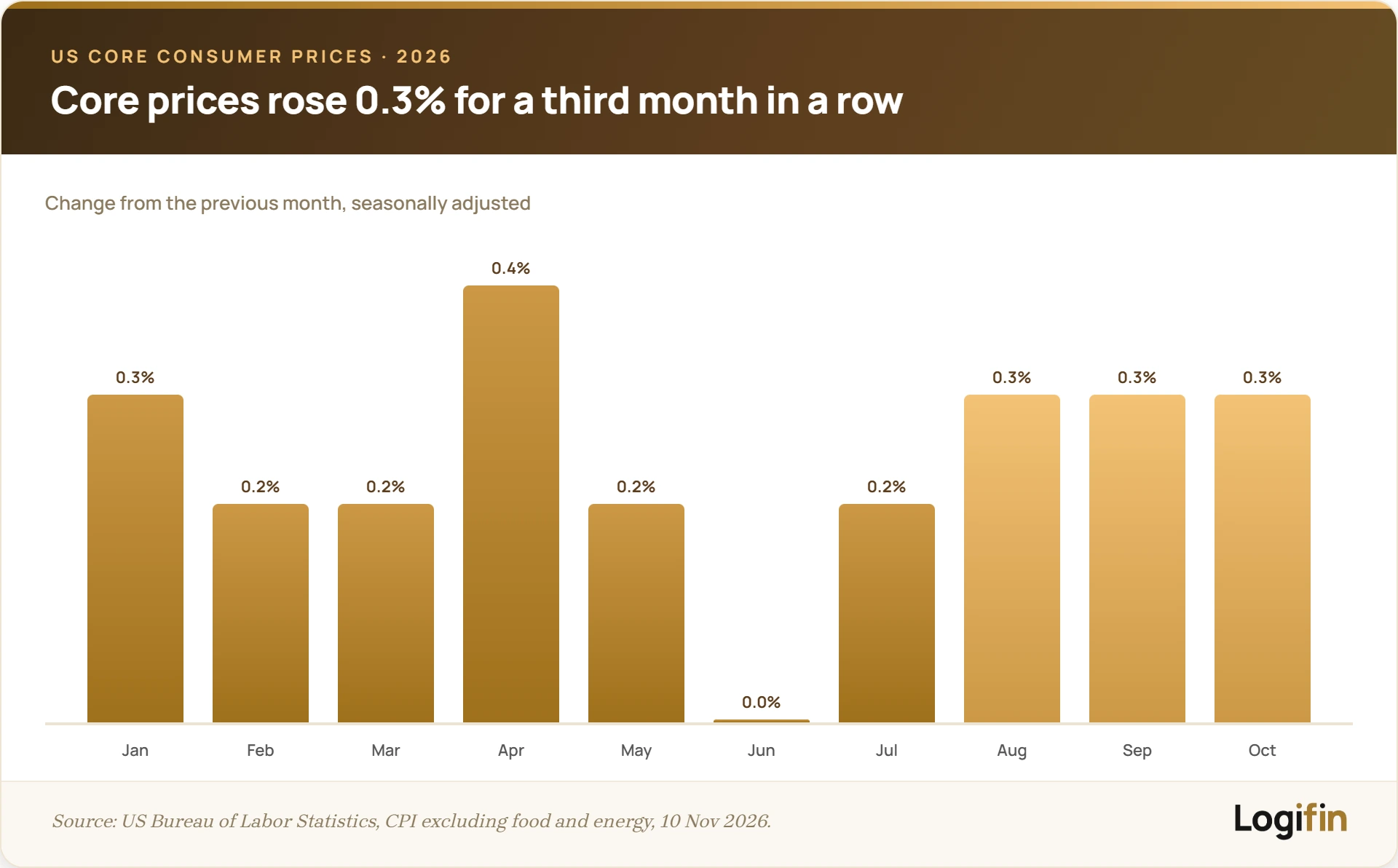
US inflation came in above forecasts in October. According to the release from the Bureau of Labor Statistics on Tuesday 10 November, the consumer price index rose 0.4% in one month, while economists had expected 0.3%. The core index, which leaves out food and energy, rose 0.3% for the third month in a row. Markets now consider it almost certain that the Fed will raise interest rates again on 9 December. On the same day a member of its board had said that with data like these an increase of half a point should be considered, twice the usual size.
What the October data showed
The headline index rose 0.4% in October, after 0.6% in September. Economists polled by FactSet had expected 0.3%, as CBS News reported. For the core index the forecast was 0.2%, according to Yahoo Finance.
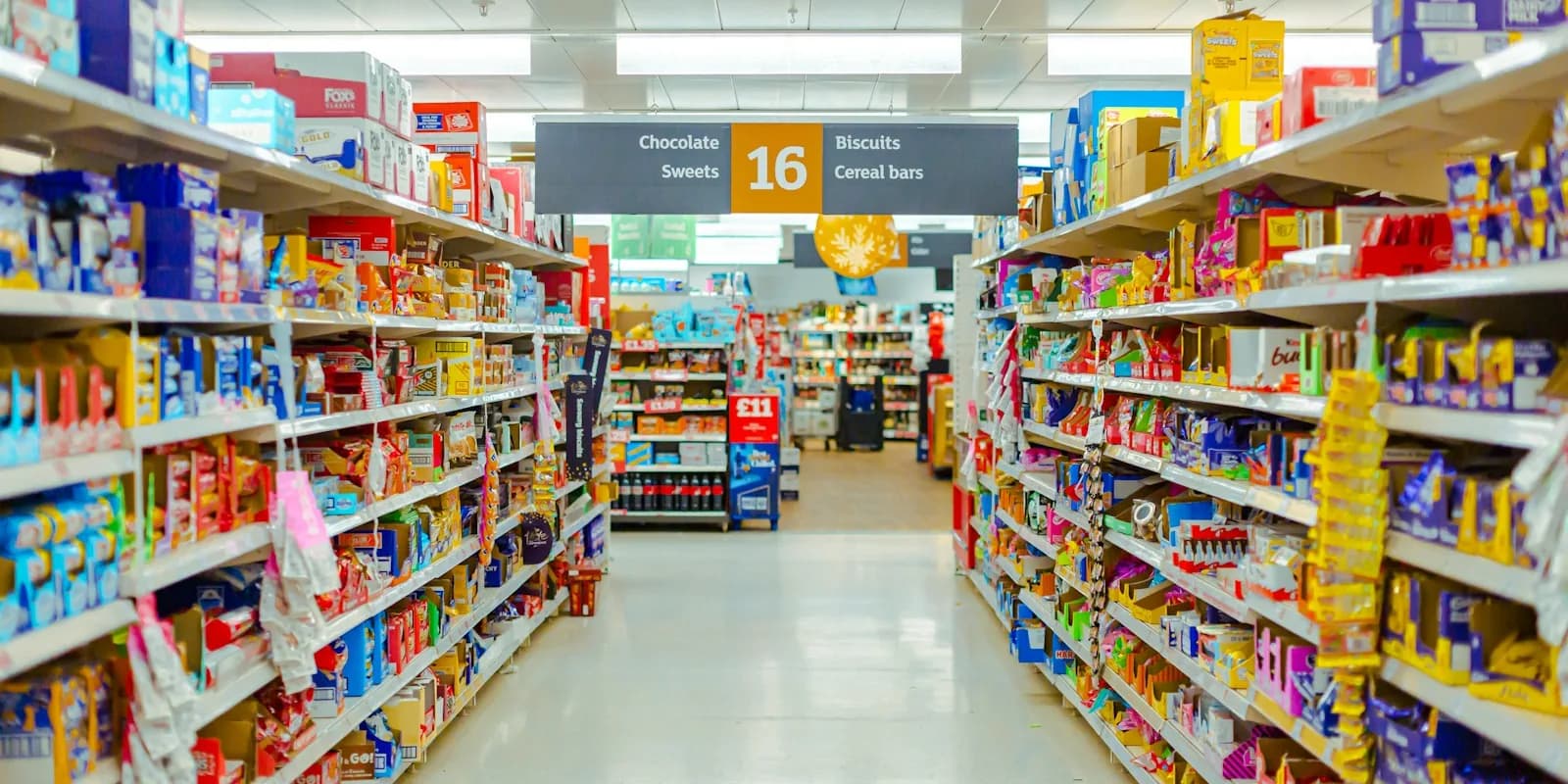
Energy was not the main cause this time. Energy prices rose 0.7%, after 5.2% in September. Gasoline rose 1.0%, after 9.1% the month before. The October increase came mainly from housing and food. The cost of shelter rose 0.3% and accounted for more than 30% of the monthly increase. Food rose 0.5%, after no change in September. Food prices rose 0.4% in grocery stores and 0.5% in restaurants.
The central bank pays more attention to the core index, because it shows what is happening to the prices of other goods and of services, without the sharp swings of food and energy. That index rose 0.3% in August, 0.3% in September and 0.3% in October. If the same pace continued for twelve months, core inflation would reach about 3.7% a year, according to a Logifin calculation based on the BLS data.
Why the annual inflation rate is missing
In the news, inflation is usually quoted as an annual rate, meaning the change in prices compared with the same month of the previous year. This month the BLS did not publish an annual rate. In October 2025 the agency collected no prices, because the US government had been left without an approved budget and many of its services had stopped operating. Without prices for last October there is no month with which this October can be compared.
The latest available annual rate is for September. Based on the BLS indexes, headline inflation was 3.7% at that point and core inflation was 2.6%. The pace of the last three months, about 3.7% a year, is therefore clearly higher than that 2.6%. The next annual rate will be published on 10 December, together with the November data. The Fed, however, announces its decision one day earlier, on 9 December. Until then, only the monthly changes will be available for the consumer price index.
What Waller had said a few hours earlier
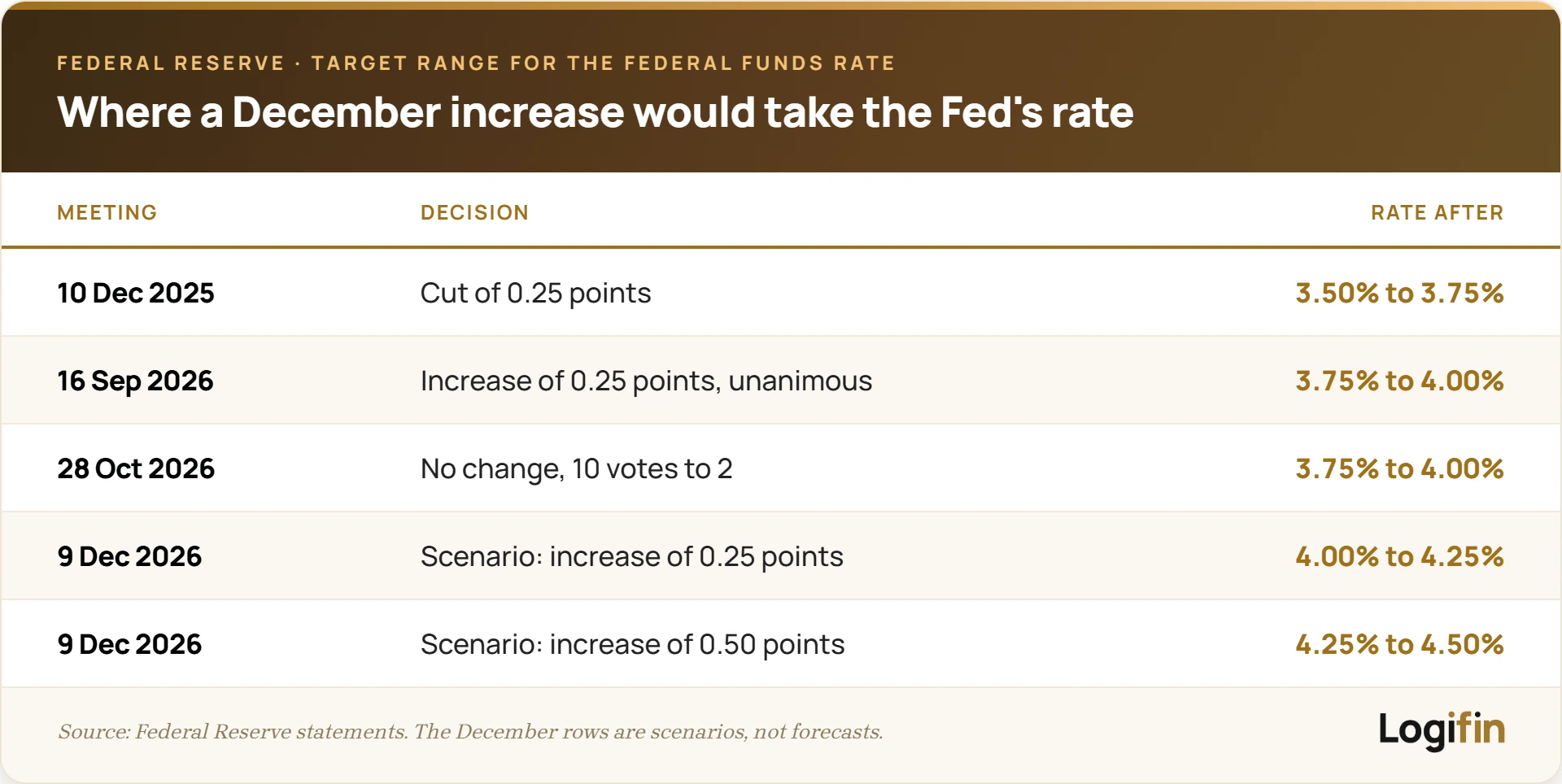
On Tuesday morning, before the data came out, Christopher Waller, a member of the Fed's Board of Governors, spoke at a conference in London. In his speech he said he was leaning toward an increase of 0.25 points in the policy rate at the December meeting, even if October inflation eased compared with September. He added that if the core index rose by about 0.3% or more, an increase of 0.50 points should be considered. In that case, he said, an increase of only 0.25 points would put the Fed's credibility at risk. The core index rose 0.3%, exactly the threshold he had set himself.
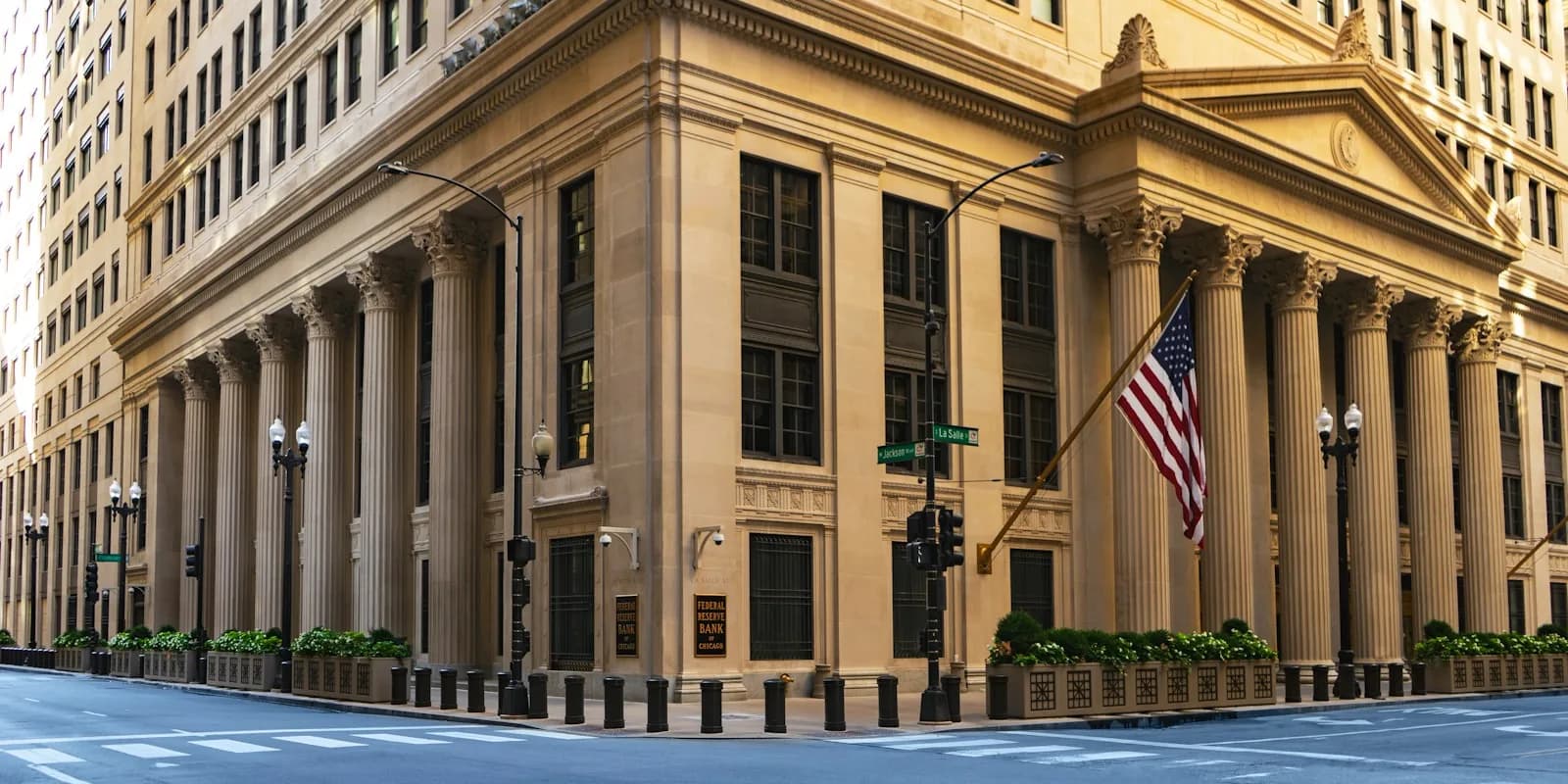
The Fed has already raised its rate once this year. On 16 September it lifted it to 3.75% to 4.00%, in a unanimous decision. On 28 October it left it unchanged by 10 votes to 2. The two members who dissented, Lisa Cook and Beth Hammack, wanted another increase. The Fed's inflation target is 2% and is measured with a different index, the PCE. That index showed annual inflation of 3.7% in September, as Waller noted in his speech.
How markets reacted
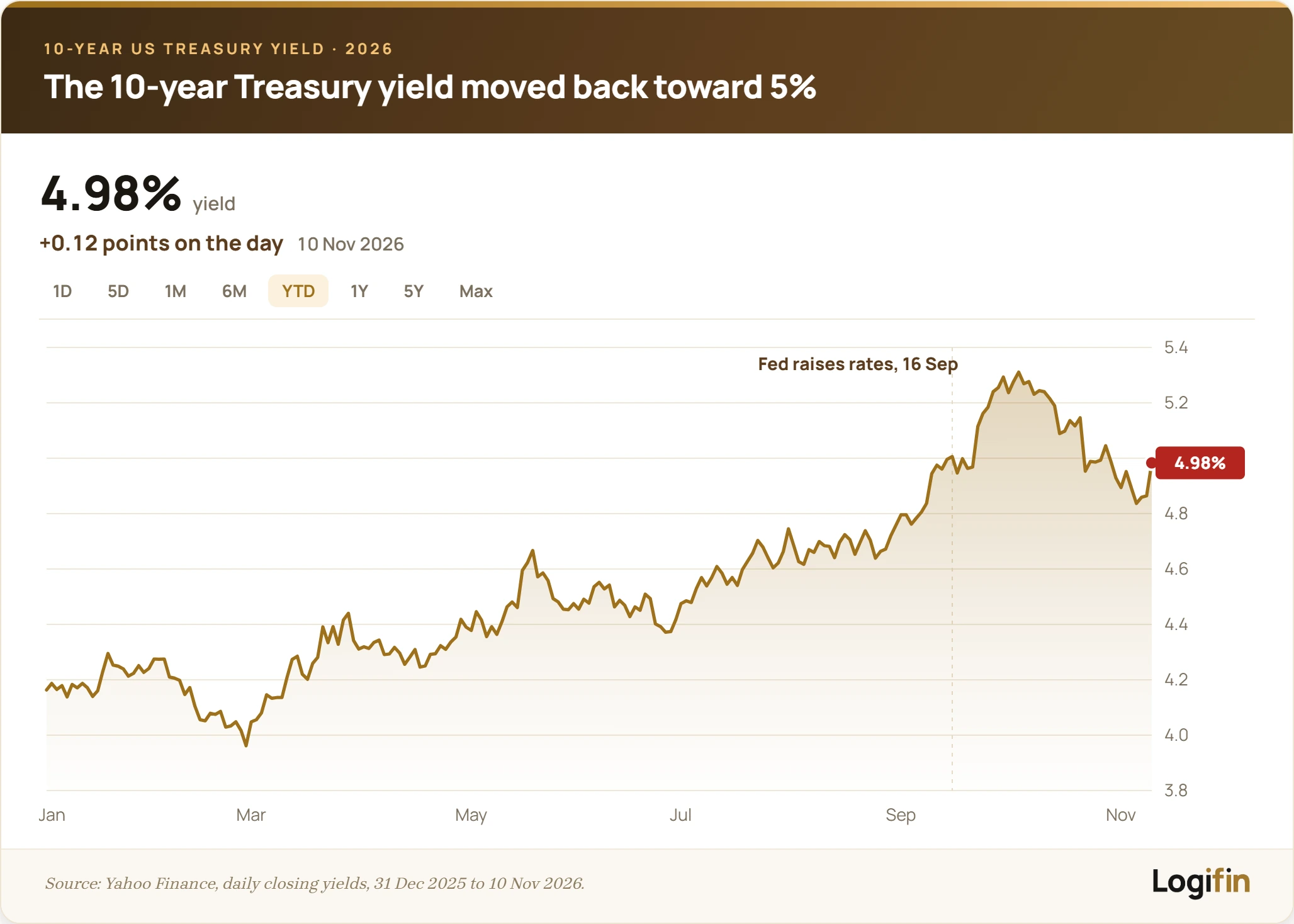
The biggest move was in bonds. The yield on the 10-year US Treasury bond rose to 4.98%, from 4.86% on Monday, according to Yahoo Finance prices. Investors ask for a higher yield when they expect the central bank's rate to go up. This year that yield had reached 5.31% on 5 October and had eased to 4.84% on 5 November.
The CME FedWatch tool calculates the probability of each Fed decision from the prices of futures contracts on its policy rate. After the release it showed a probability of about 85% for an increase of 0.25 points in December and 15% for an increase of 0.50 points, as CBS News reported. On Monday the probability of a 0.50 point increase had been zero, according to Yahoo Finance.
Shares fell. The S&P 500 closed at 7,520.93 points, 0.4% lower than on Monday. The Nasdaq Composite lost 0.7%. Gold, which pays no interest and becomes less attractive when interest rates rise, lost 1.8%. Mark Zandi, chief economist at Moody's, told CNBC that the data make another rate increase in December more likely.
What it means for a European investor
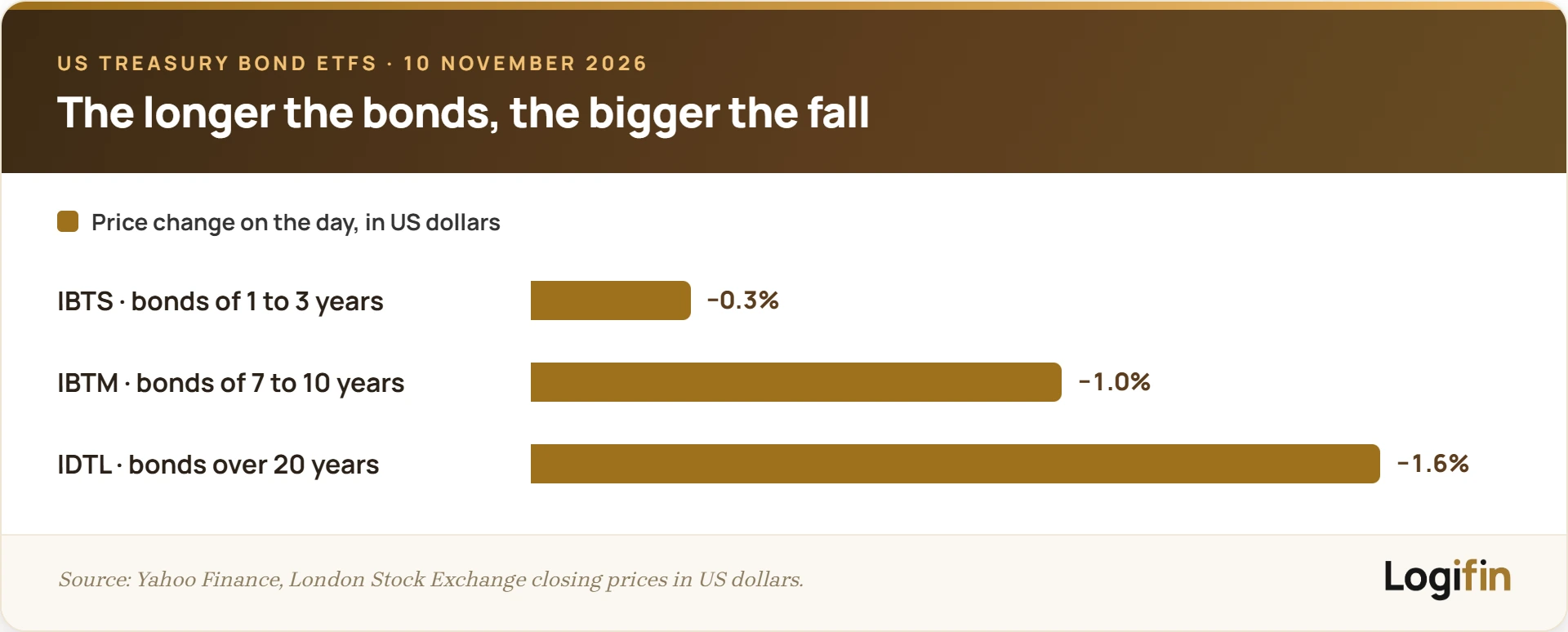
When yields rise, the prices of bonds already in circulation fall, because new bonds offer a higher interest rate. The further away a bond's maturity, the more its price falls. This showed on Tuesday in three iShares ETFs that hold US Treasury bonds, in their US dollar prices on the London Stock Exchange. IBTS, with bonds maturing in 1 to 3 years, lost 0.3%. IBTM, with bonds of 7 to 10 years, lost 1.0%. IDTL, with bonds of more than 20 years, lost 1.6%.
For anyone investing in euros the exchange rate matters too. Higher interest rates in the US make dollar holdings more attractive. After the data came out the euro slipped below 1.12 dollars, as FXStreet reported. When the dollar rises, the value in euros of American shares and bonds increases, as was seen this year when the S&P 500 was measured in euros.
In Europe the ECB is in a similar position. Its deposit facility rate has been 2.50% since 16 September. Its chief economist, Philip Lane, told Bloomberg Television on Tuesday that another increase in December would be prudent if the data do not change, as FXStreet reported.
What is worth watching
- 13 November. The BLS publishes the October producer price index, which measures the prices at which businesses sell.
- 25 November. The October PCE index is published, the index on which the Fed has set its 2% target.
- 4 December. The November employment report is published.
- 9 December. The Fed announces its decision, together with new projections for the economy. November inflation is published the following day.
- 17 December. The ECB decides on its own interest rates.
What to take away
- US consumer prices rose 0.4% in October and the core index rose 0.3% for the third month in a row. The increase came mainly from housing and food, not from energy.
- The Fed decides on 9 December. On Tuesday the market put the probability of a 0.25 point increase at about 85% and that of a 0.50 point increase at 15%. The 0.50 point increase is the one that Christopher Waller, a member of the Fed's board, asked to be considered.
- US bond yields rose and bond prices fell, more so at long maturities. The ETF with bonds of more than 20 years lost 1.6% in one day.
Insights
Keep reading
EXPLORE LOGIFIN
Everything you need in order to learn, plan and track your investments.
Logifin Blog
Learn everything you need to get your finances in order and invest with confidence.
Logifin Insights
What moves the markets and what it means for a long term investor.
Logifin Tools
Free, inside the site, no signup. Everything you calculate stays on your device.
Logifin ETF Hub
Find the ETF that fits you: 500+ UCITS ETFs, smart filters and in-depth comparisons.
Logifin Guides
A series of guides that builds your investment plan step by step. The first guide is free for everyone.
Logifin Circle
The tools and the Hub are free for everyone. You become a member for the intelligence that never stops.