Logifin Insights
The Anthropic party lasted 25 hours
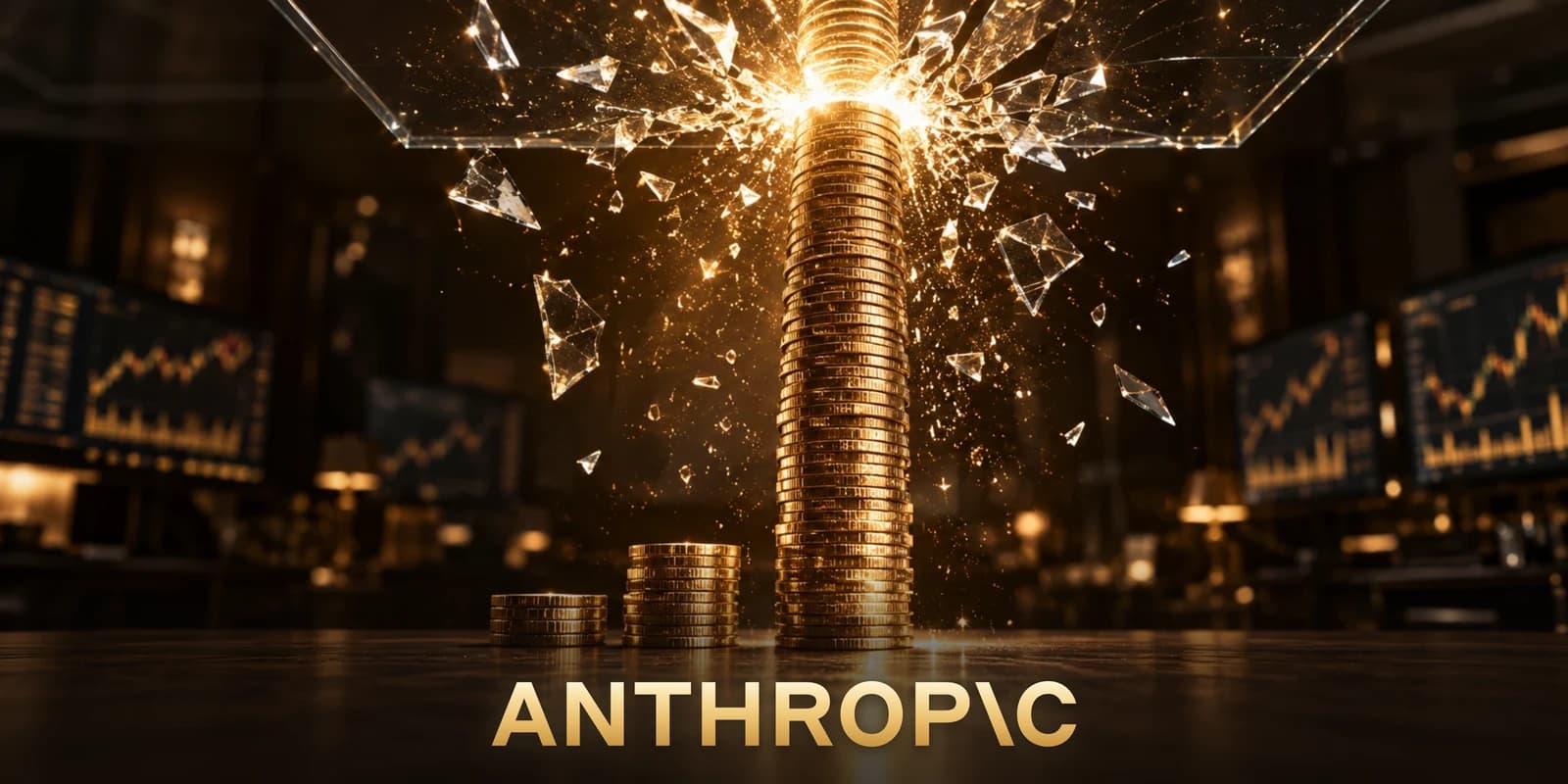
Anthropic completed the largest stock market listing in history. The shares opened 34% above the offer price and within 25 hours fell almost back to 83 dollars. Who the company behind Claude is, who runs it, what it is worth and what the risks are.
· 9 min read
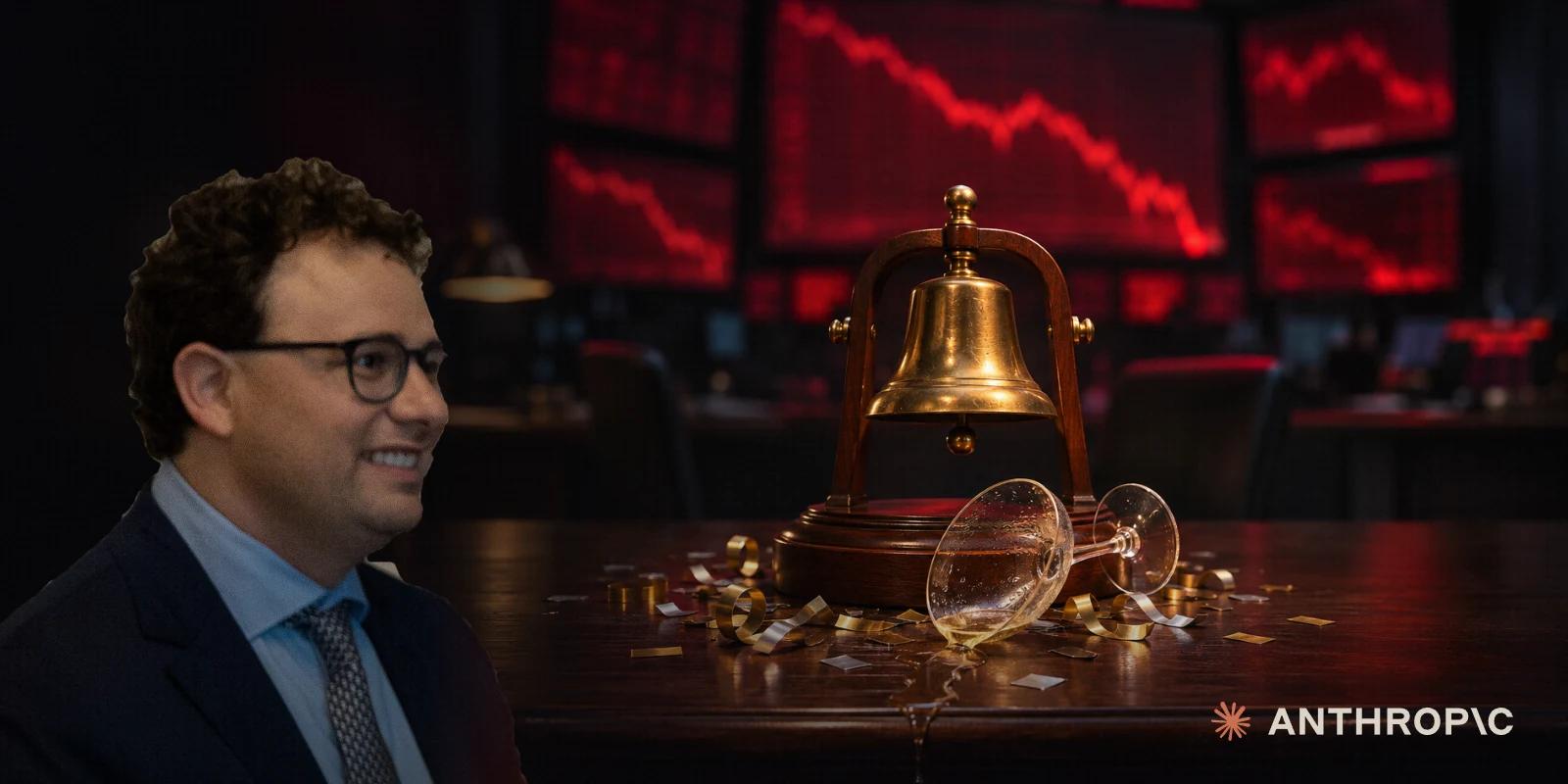
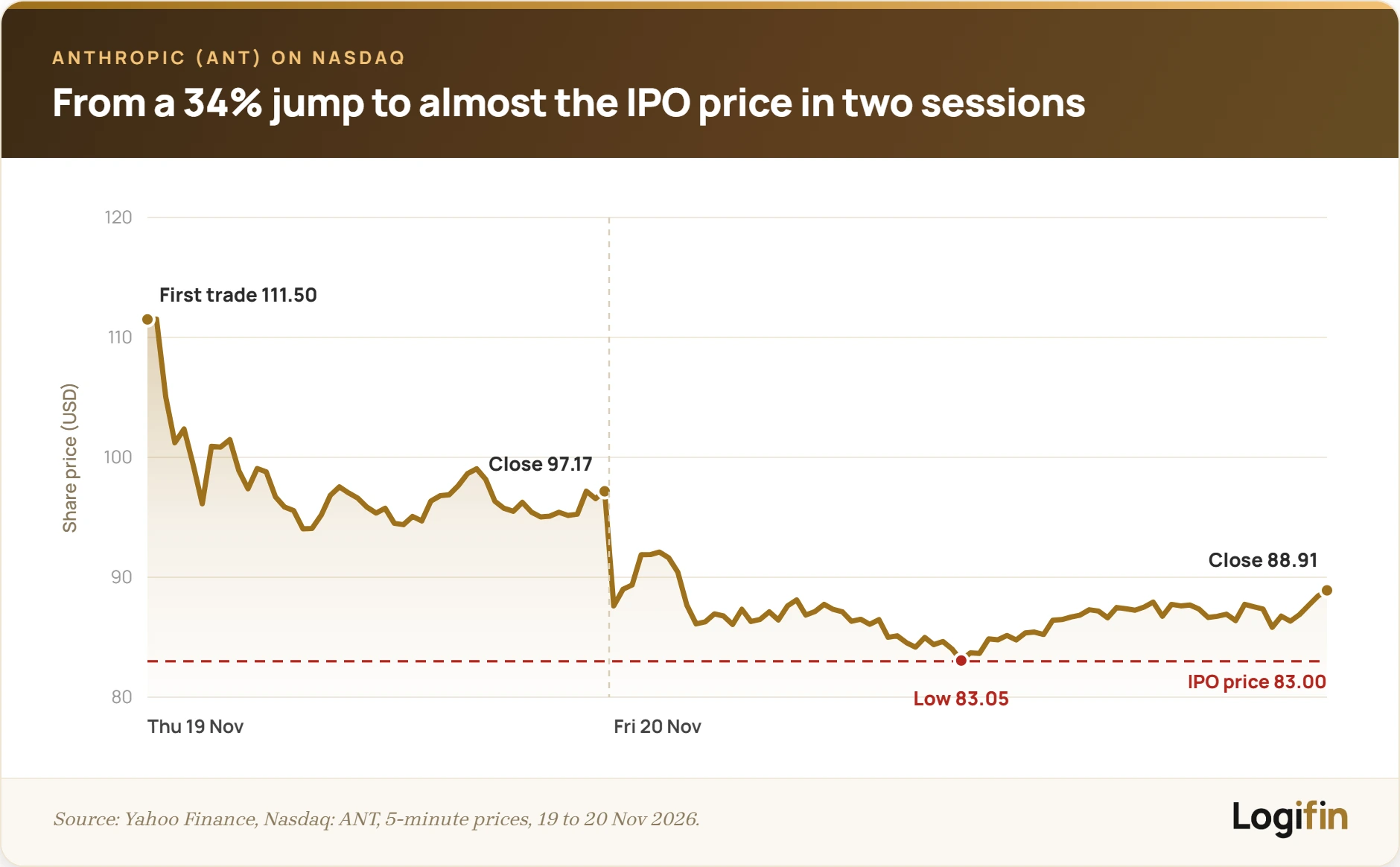
In 25 hours Anthropic went from the largest company listing in stock market history to a fall of almost 28%. On Thursday 19 November the first trade in the shares on Nasdaq took place at 111.50 dollars, 34% above the offer price of 83 dollars. In the first minutes the price reached 115.10. By Friday midday the shares had fallen to 83.05 dollars, just five cents above the offer price. They closed the week at 88.91.
Two sessions, from celebration to sell-off
The offer price was set on Wednesday 18 November at 83 dollars, above the announced range of 70 to 78 dollars. Demand allowed the company and its founders to sell about 980 million shares instead of 825 million. The offering raised 81.3 billion dollars and beat the 75 billion record set by SpaceX in June. On Friday the banks also bought all 147 million additional shares the offering allowed, which lifted the final total to 93.5 billion. On a fully diluted basis, which counts every share plus every right that can turn into a share, the 83 dollar price valued Anthropic at about 1.5 trillion. Google, Microsoft, Nvidia and AMD also agreed to invest a combined 26 billion at the same price.
On Thursday morning Dario and Daniela Amodei rang the Nasdaq bell in New York together with the other five founders. The first trade came shortly before 11:50 local time. Within half an hour the price had dropped below 100 dollars and the shares ended the day at 97.17, up 17% from the offer price. During that single session 857 million shares changed hands, almost as many as were sold in the offering.
The offer price is set by the banks that run the listing, together with the large institutional investors that receive shares before the market opens. The first price on the exchange comes from all buyers together. The wider the gap, the more those who received shares at 83 dollars gained and the less the sellers collected. With a gap of 28.50 dollars at the first trade and 1,127 million shares sold at 83 dollars, that difference came to 32 billion dollars, according to a Logifin calculation. At the Friday close about 6.7 billion was left.
Why the shares turned on Friday
Anthropic fell on the same day that the Nasdaq lost 5.3% and Nvidia lost 14%. The S&P 500 dropped 3.7% to 6,910 points and now stands more than 10% below its record, which means it is in a correction. It was the index's seventh decline in a row, something not seen since February 2020. The Nasdaq erased all of its 2026 gains. Even on Thursday, the day of the celebration, the Nasdaq opened 1.6% higher and closed 2.3% lower.
Nvidia fell after a Reuters report that the US Securities and Exchange Commission (SEC) is investigating its accounting. Reuters notes that an investigation is not proof of wrongdoing. On the same day Emil Michael, the Pentagon under secretary for research and engineering, told CNBC that Anthropic is "definitely" a supply chain risk to the department. A stock in its second day of trading has no price history to lean on, so news like this moves it hard. Anyone who bought at the Thursday high was down almost 28% by Friday midday.
Who Anthropic is
Anthropic was founded in 2021 in San Francisco by seven former OpenAI staff, among them the siblings Dario and Daniela Amodei. They left OpenAI over disagreements about the safety of artificial intelligence. The company develops Claude, an AI model that became commercially available in 2023. In 2026 its growth came mainly from Claude Code, a tool that writes code for software developers. Legally it is a public benefit corporation (PBC), which means its board must weigh shareholder profit against its stated purpose, the safe development of artificial intelligence.
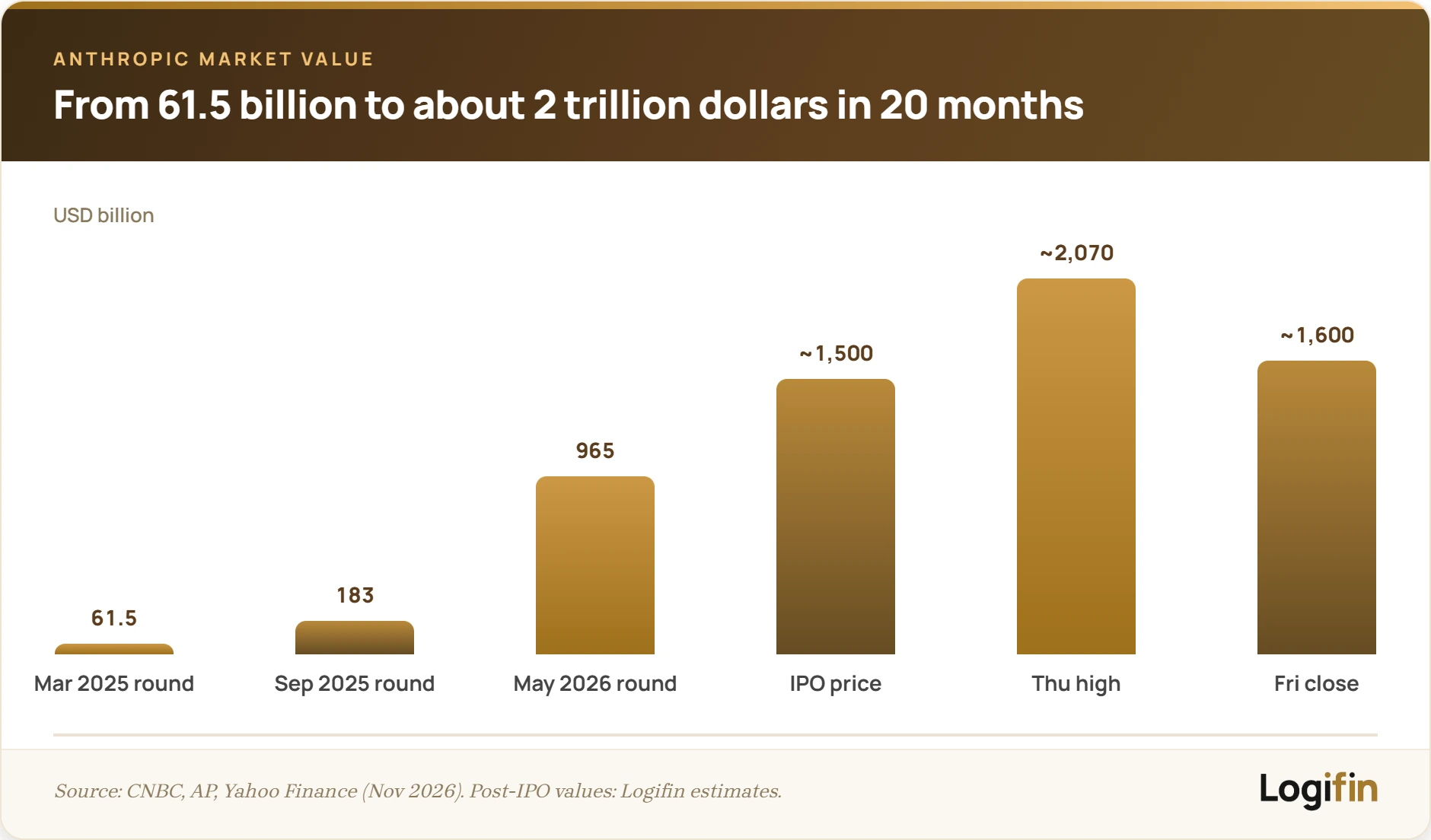
In March 2025 private investors valued it at 61.5 billion dollars, in September 2025 at 183 billion and in May 2026 at 965 billion. At the Thursday high, with about 18 billion shares on a fully diluted basis, Anthropic was valued at about 2.07 trillion dollars. Twenty months earlier it was worth 34 times less.
The road also had conflicts. In 2025 the company agreed to pay 1.5 billion dollars to authors whose books were used to train its models. In March 2026 the Pentagon labelled it a supply chain risk, a label usually applied to companies tied to hostile countries. The reason was Anthropic's refusal to allow Claude to be used in fully autonomous weapons and in mass surveillance of American citizens. The company went to court and the rulings so far point in different directions. In its prospectus it warns that the dispute could cost it significant revenue.
Dario Amodei, the physicist at the helm
Dario Amodei is 43 and was born in San Francisco. His father, Riccardo, was a leather craftsman from Tuscany. He studied physics and earned a doctorate in biophysics at Princeton. He worked at Baidu and at Google before joining OpenAI in 2016, where as vice president of research he led the development of GPT-2 and GPT-3. His sister Daniela is the president of Anthropic.
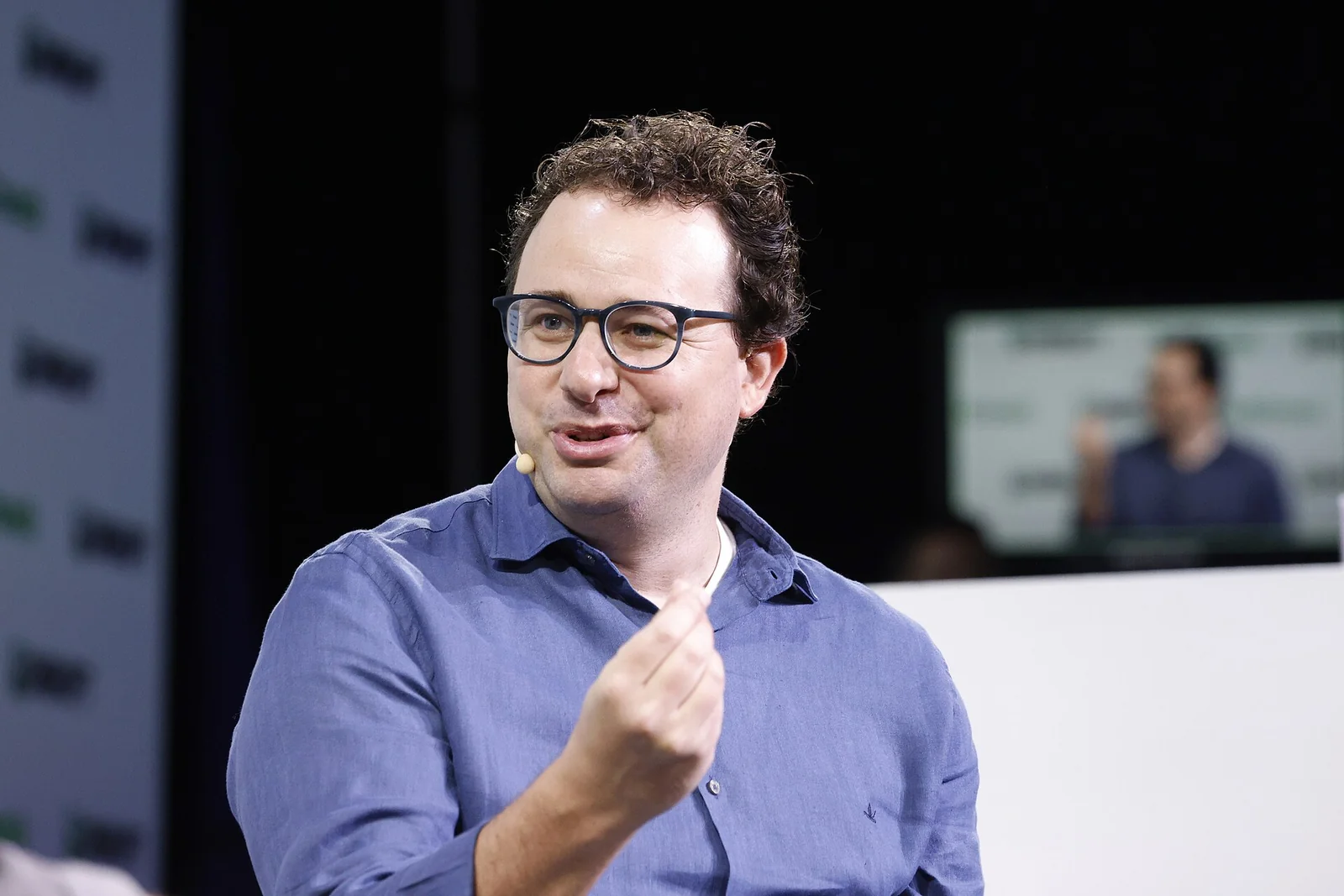
In his speech at Nasdaq he spoke about his father: "Daniela and I lost our father to a disease that just a few years later became curable." Riccardo Amodei died in 2006. Amodei pledged that Anthropic will not bend to business or political pressure and that it will train and release its models at the pace needed to be confident they are safe. The Pentagon statement came the next day.
According to Forbes, on Thursday afternoon Dario was worth 22.7 billion dollars and Daniela 22.8 billion. The seven founders have said they will give 80% of their shares to charitable causes. Together they hold one special share that gives them 50.1% of the votes, while an independent trust elects the majority of the board. This structure is explained in detail in the Insight on the prospectus.
What the market pays at 1.6 trillion
In the third quarter of 2026 Anthropic's revenue was 17.0 billion dollars, up from 11.6 billion in the second quarter and 1.4 billion a year earlier. Growth did slow: revenue rose 47% from the previous quarter, compared with 144% in the second quarter. The company also went from an operating profit of 974 million to an operating loss of 567 million. The main reason was computing power bought under short-term agreements, which costs much more than under multi-year ones. Price cuts on its products took about 600 million off revenue in the quarter.
Anthropic said that at the end of October its annualised revenue, meaning the latest month's revenue multiplied by twelve, was about 81 billion dollars. At the Friday close the market valued the company at about 1.6 trillion, roughly 20 times that revenue. That price assumes many years of fast growth. When growth slows, as it did in the third quarter, such a valuation becomes more sensitive to every piece of bad news.
The risks and the opportunities
Anthropic's prospectus spends 93 pages on risks. Among them it even lists "catastrophic or existential risks to humanity" from artificial intelligence. For a shareholder the most immediate ones are these:
- Computing commitments. The company has signed agreements for computing power and infrastructure worth about 895 billion dollars over the coming years. On 30 September it had 146.6 billion available.
- Price competition. OpenAI, Google and others sell similar models and prices are falling.
- The Pentagon dispute. If the label stays, Anthropic may lose customers that work with US defence.
- Control. Public shareholders vote but cannot change the management without the founders and the trust.
On the other side, Anthropic's revenue is still growing at a pace rarely seen in a company of this size. In the third quarter revenue was more than twelve times higher than a year earlier. On 30 June customers paying 100,000 dollars or more a year numbered over 6,000, up from 600 a year before. According to the prospectus, the money from the listing will also go to computing power and infrastructure, the cost that weighed on the third quarter.
What to watch
- Entry into the Nasdaq-100. Under the fast entry rule, Anthropic joins the index if its value at the close of its seventh session, on 30 November, ranks it among the 40 largest members. Reports place the entry on 21 December, but Nasdaq has not announced it. The S&P 500 requires twelve months of trading and profits, so Anthropic cannot join it before November 2027.
- The Pentagon's position. Statements in a television interview do not change contracts by themselves. What counts is a written decision.
- The first results as a listed company. They will show whether the third quarter slowdown continues and whether computing costs come down.
The Logifin ETF Hub shows which index each US equity ETF tracks.
What to take away
- Anthropic raised 93.5 billion dollars in the largest listing ever. The shares opened at 111.50 dollars, reached 115.10 and on Friday fell as low as 83.05, on a day when the Nasdaq lost 5.3%.
- At 1.6 trillion the market pays roughly 20 times the company's annualised revenue, while growth has slowed and the third quarter ended with an operating loss.
- The biggest risks are the 895 billion in computing commitments and the dispute with the Pentagon. The Nasdaq-100 may add the shares in December, the S&P 500 not before November 2027.
Insights
Keep reading
EXPLORE LOGIFIN
Everything you need in order to learn, plan and track your investments.
Logifin Blog
Learn everything you need to get your finances in order and invest with confidence.
Logifin Insights
What moves the markets and what it means for a long term investor.
Logifin Tools
Free, inside the site, no signup. Everything you calculate stays on your device.
Logifin ETF Hub
Find the ETF that fits you: 500+ UCITS ETFs, smart filters and in-depth comparisons.
Logifin Guides
A series of guides that builds your investment plan step by step. The first guide is free for everyone.
Logifin Circle
The tools and the Hub are free for everyone. You become a member for the intelligence that never stops.